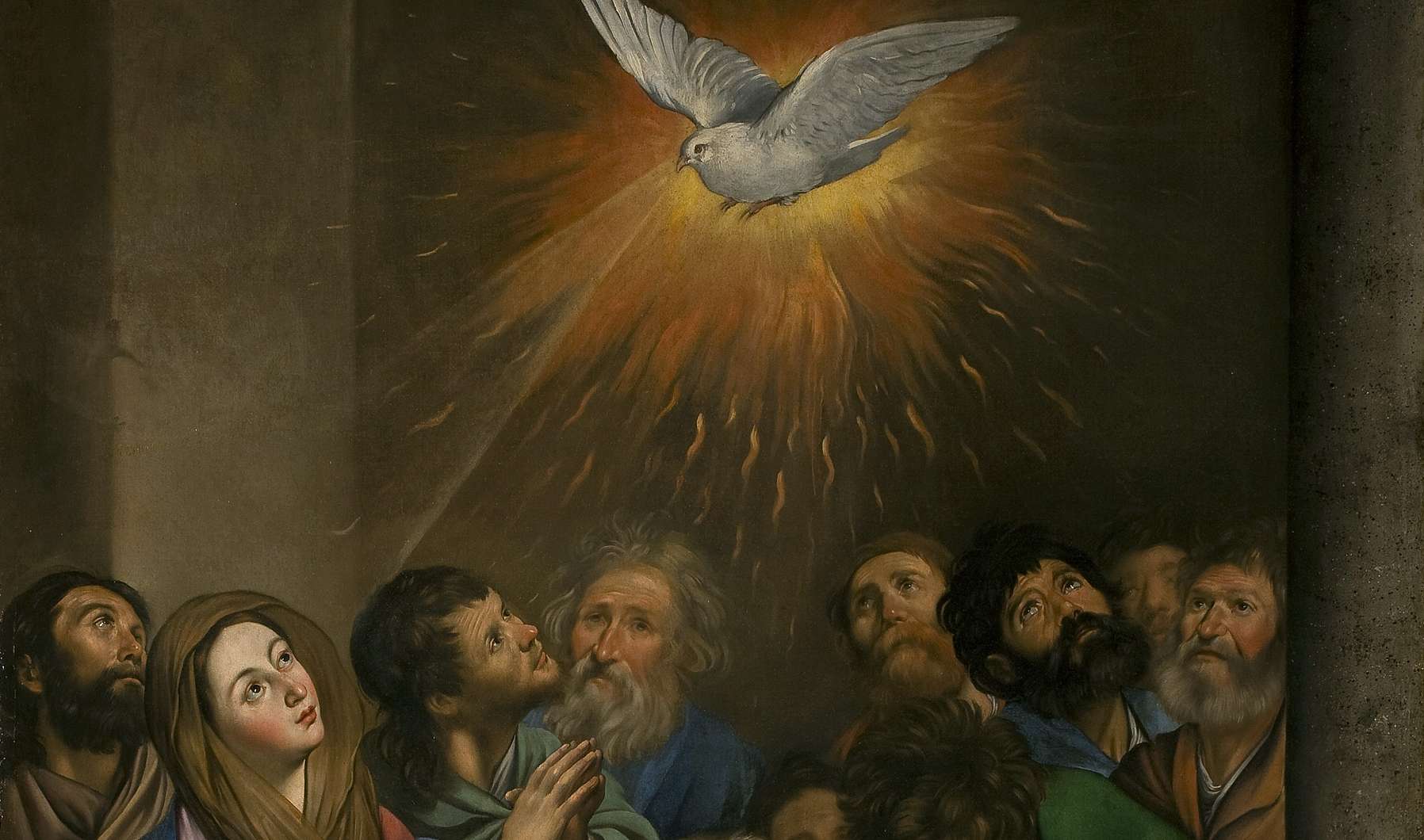
Tongues of Fire
When the day of Pentecost came, they were all together in one place. Suddenly a sound like the blowing of a violent wind came from heaven and filled the whole house where they were sitting. They saw what seemed to be tongues of fire that separated and came to rest on each of them. All of them were filled with the Holy Spirit and began to speak in other tongues as the Spirit enabled them. (Acts 2:1-4)
Centuries after mankind tried to exalt themselves like gods at Babel, God came down to man and reversed the curse: “‘Parthians, Medes and Elamites; residents of Mesopotamia, Judea and Cappadocia, Pontus and Asia, Phrygia and Pamphylia, Egypt and the parts of Libya near Cyrene; visitors from Rome (both Jews and converts to Judaism); Cretans and Arabs–we hear them declaring the wonders of God in our own tongues!’ Amazed and perplexed, they asked one another, ‘What does this mean?’”
In his first recorded sermon, Peter preached from the book of Joel, that thanks to the death and resurrection of Chirst, God had now poured out his spirit on all people, so that “everyone who calls on the name of the Lord will be saved. … Therefore let all Israel be assured of this: God has made this Jesus, whom you crucified, both Lord and Messiah.”
Peter would go on to lead one arm of the early church. Later bishops would see Peter as the rock on which Jesus would build his church, and themselves as his heirs.
Not everyone would call on the name of the Lord. That day, 3,000 did. Others just accused them of being drunk.